
Rice salads can be a healthy meal option, but their nutritional value depends on the ingredients and how they are prepared. A rice salad made with whole-grain options like brown, black, or wild rice is far more nutritious than one made with white rice. Whole-grain rice is rich in fiber, vitamins, and minerals, promoting better digestion and sustained energy. Adding a variety of colorful vegetables such as bell peppers, cucumbers, cherry tomatoes, or leafy greens enhances the salad’s nutritional profile by providing essential vitamins, antioxidants, and fiber. Including lean protein sources like grilled chicken, tofu, chickpeas, or boiled eggs makes the salad a balanced meal, offering the necessary protein for muscle repair and satiety. Healthy fats from ingredients like avocado, olive oil, nuts, or seeds further improve the salad’s nutritional value by supporting heart health and providing long-lasting energy.
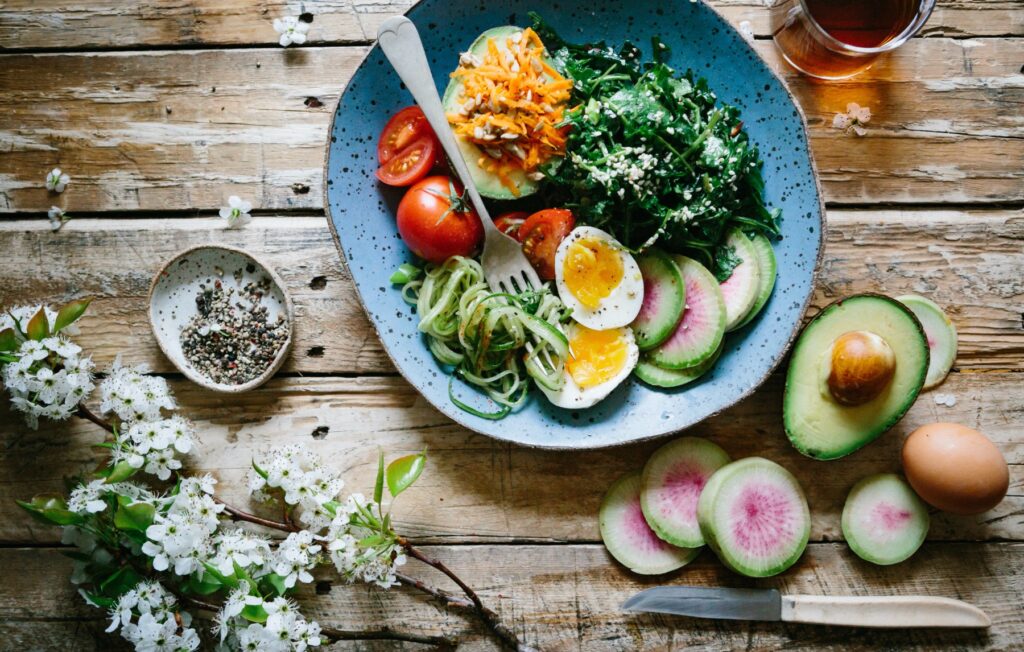
However, not all rice salads are created equal. Using white rice as a base may lead to blood sugar spikes due to its lower fiber content, and adding unhealthy ingredients like fried croutons, mayonnaise-based dressings, or processed meats can increase the calorie count and introduce excess unhealthy fats and sodium. Additionally, a salad that’s primarily rice with minimal vegetables or protein lacks balance and may not be as filling or nutritious. Portion size is another important consideration, as rice is calorie-dense and eating large amounts can lead to excessive calorie consumption.
To ensure your rice salad is healthy, opt for whole grains, load up on fresh vegetables, and include lean protein and healthy fats to create a balanced and satisfying meal. Using homemade dressings made with simple ingredients like olive oil and lemon juice helps avoid unnecessary additives and keeps the salad light and nutritious. With thoughtful preparation and balanced portions, rice salads can be a wholesome and delicious addition to your diet.